Maintenance Services
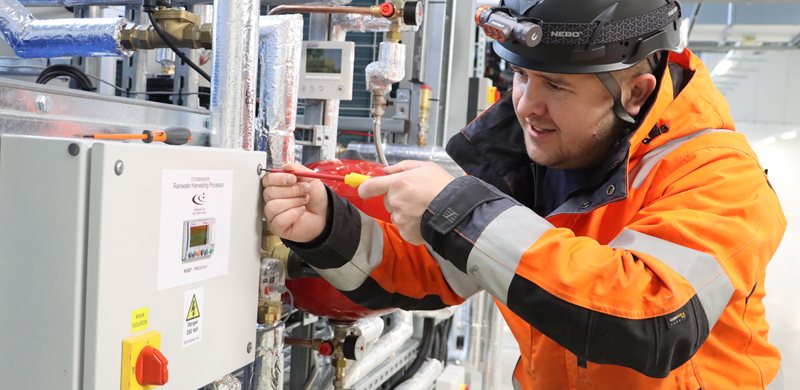
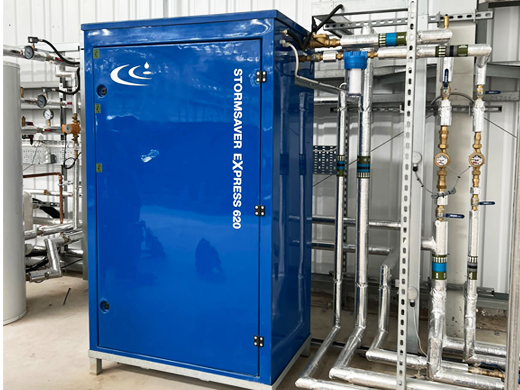
Rainwater harvesting and greywater recycling system maintenance involves the regular cleaning, inspection, and repair of all components. This preventative maintenance is recommended every 6 months and helps prevent disruptive breakdowns. With over two decades of expertise in water reuse, we maintain all rainwater system brands so you can have one go-to specialist supplier.
Boost Reliability & Water Savings
Rainwater Harvesting Maintenance Services

Service Plans
We genuinely care about saving water and our experiences in water reuse means that we are our customers first choice when it comes to maintenance. Choose us to save more!

Tank Cleaning
Our water tank cleaning services are recommended every 2 years to prevent sediment build up and protect water quality. Learn more here.

System Assessments
Rely on the specialists to get your system up and running once again. Our System Assessments give you access to unrivalled expertise in water reuse.

System Repairs & Replacements
Struggling with an unreliable or broken system or components? We can help get your system running reliably once again. Learn more here.

Legionella Testing
Regular legionella testing should be carried out on your rainwater harvesting system. Our rapid tests produce results in just 30 minutes. Learn more here
Reduce the risk of supply interruptions
The importance of planned preventative maintenance
Booster Pumps
Rainwater Level Sensors
Pre Tank Filter
UV Disinfection Unit
Mains Water Top-Up
Water Meters
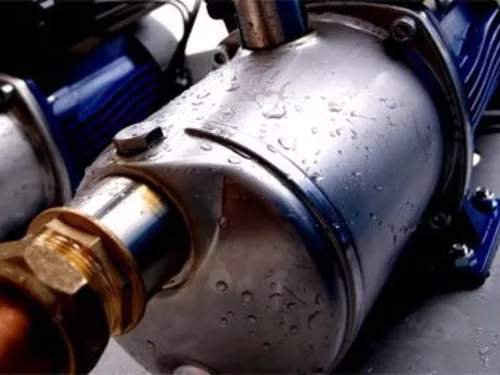
Rainwater systems have two types of pumps; submersible pumps within the tank and a booster set to move rainwater around the building. Routine pump servicing by our specialists keeps water flowing to toilets without interruption. Preventative maintenance reduces the risk of unexpected failures and costly downtime.
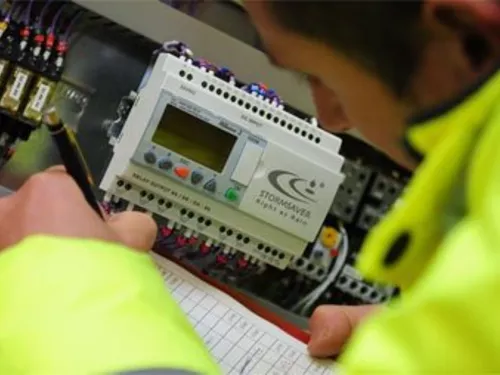
Important checks and calibration of rainwater level sensors make sure that the system makes the most of your rainwater savings.
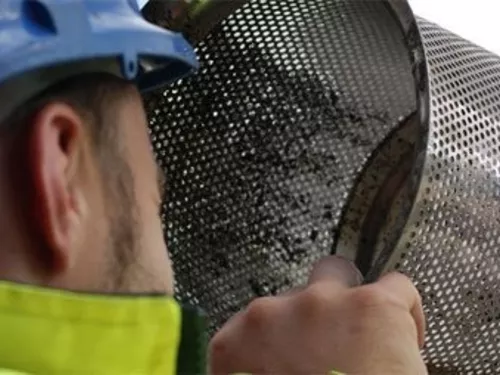
Well-maintained pre-tank filters stop leaves and debris from getting in the tank, protecting water quality. Industry experience shows regular manual cleaning prevents blockages that cause rainwater loss to drain and harms savings.
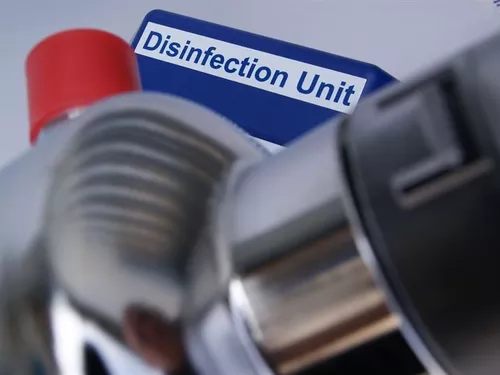
It is important to maintain the rainwater UV disinfection unit to achieve optimum sterilisation of the rainwater and maintain levels of water quality and prevent bacterial growth.

Regular inspection of solenoid valves is crucial to ensure they operate reliably, avoid supply interruptions and prevent expensive mains water wastage. Without inspection, these can fail open or closed, potentially resulting in your site being left without a water supply.
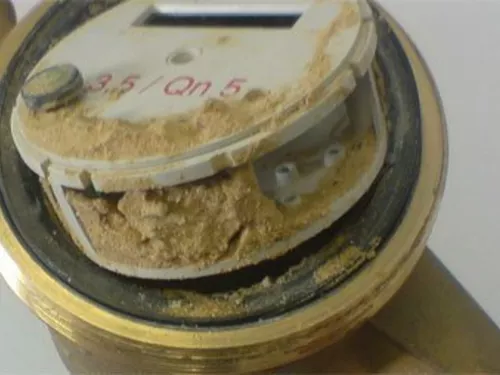
Our Service Engineers regularly clean these vital meters to prevent debris from blinding components within the meter, ensuring accurate water usage tracking. Water meters also help with early detection of flow irregularities and faults.
Booster Pumps
Rainwater systems have two types of pumps; submersible pumps within the tank and a booster set to move rainwater around the building. Routine pump servicing by our specialists keeps water flowing to toilets without interruption. Preventative maintenance reduces the risk of unexpected failures and costly downtime.
Rainwater Level Sensors
Important checks and calibration of rainwater level sensors make sure that the system makes the most of your rainwater savings.
Pre Tank Filter
Well-maintained pre-tank filters stop leaves and debris from getting in the tank, protecting water quality. Industry experience shows regular manual cleaning prevents blockages that cause rainwater loss to drain and harms savings.
UV Disinfection Unit
It is important to maintain the rainwater UV disinfection unit to achieve optimum sterilisation of the rainwater and maintain levels of water quality and prevent bacterial growth.
Mains Water Top-Up
Regular inspection of solenoid valves is crucial to ensure they operate reliably, avoid supply interruptions and prevent expensive mains water wastage. Without inspection, these can fail open or closed, potentially resulting in your site being left without a water supply.
Water Meters
Our Service Engineers regularly clean these vital meters to prevent debris from blinding components within the meter, ensuring accurate water usage tracking. Water meters also help with early detection of flow irregularities and faults.
Why choose us?
Your Trusted Partner for Specialist Maintenance Services

We take an Estate-wide Approach
We are one trusted partner for all your sites, reducing admin headaches and unlocking multi-site pricing so you can reduce costs.
We Cover All Brands of Rainwater Systems
We’ve developed over two decades worth of experience in maintaining every major brand of rainwater system, giving you access to the best maintenance solutions no matter which system you have.

We are Specialists in Water Reuse
We focus solely on water reuse, providing preventative care and repairs that maximise reliability, minimise downtime and save as much water as possible.
FAQs
Got a question?
How often do rainwater harvesting systems need servicing?
Rainwater Harvesting Systems should receive a full service every six months to ensure safe and efficient operation. Systems that lack regular maintenance are at risk of failure, potentially resulting in no water for the outlets served by the system.
How often do rainwater harvesting systems need a tank clean?
Rainwater Harvesting Systems should receive a tank clean every 2-3 years, depending on the site location. Sites located close to densely forested areas, or the coast may require more frequent attention due to increased volumes of debris.
Regular cleaning of the primary storage tank and any accompanying header tanks (if installed) is crucial for maintaining optimal water quality. Neglecting this maintenance can result in discoloured rainwater in outlets.
As time passes, particles collected from the roof surface can accumulate at the tank’s base. Allowing sediment to accumulate can disrupt system functionality by impacting submersible pumps, reducing usable storage capacity, and damaging internal components.
Poor water quality is an obvious sign that your Rainwater Harvesting System requires a tank clean. You can check this by inspecting outlets served by the system or completing a visual check of the rainwater stored in the tank.
Do you offer nationwide coverage
Yes! We proudly provide nationwide coverage across England, Wales, and Scotland. Our skilled team of in-house engineers and technicians is ready to support your site wherever you are located.
Can I put my rainwater or greywater system on a mains water bypass?
NO! Installing a mains water bypass because your Rainwater Harvesting or Greywater Recycling System has failed is a direct breach of The Water Supply (Water Fittings) Regulations 1999 and poses a risk to public health. Failure to comply with these regulations is a criminal offence and the company responsible for the bypass can receive a fine.
There is a misconception that if your Rainwater Harvesting or Greywater Recycling System has failed, you can install a mains water bypass to allow outlets that were previously supplied by the system to use mains water instead. This is a big no-no in the water industry!
Rainwater or greywater pipework must be separated from the mains water supply via a WRAS-compliant air gap. Air gaps are included within any rainwater or greywater system; therefore, a bypass cannot be installed around this air gap.
What is the alternative?
If your system has completely failed and is deemed beyond economical repair, you can entrust us to install a completely new rainwater or greywater system. Alternatively, our engineers may be able to get the mains water top-up function on the system working once again. Speak to our specialists about this.
Decommissioning is a lengthy and expensive process as all associated pipework needs to be fully chemical cleaned. That’s why regular servicing is always the best solution in the first place.
What are the common signs my rainwater harvesting system needs maintenance?
Maintaining your rainwater harvesting system is essential to ensure clean, safe water and optimal performance. Here are common signs that your system may need attention…
1. Poor or Discoloured Water Quality
If you notice cloudy, discoloured, or unpleasant-smelling water, it’s a clear sign your system needs maintenance. Poor water quality can result from…
- Excess Sediment Build-up
Sediment naturally settles at the bottom of your storage tank over time. However, when sediment gathers excessively, it impacts water quality by preventing water from being drawn from the cleanest part of the tank. To maintain clean water, we recommend professional tank cleaning every 2-3 years to remove sediment buildup. - Clogged or Dirty Filters
Your system likely has multiple filtration stages:- Pre-tank filters (before water enters the tank)
- Floating suction filters (attached to submersible pumps)
- Final-stage filters (such as inline cotton filters) before water reaches usage points.
- Over time, these filters can become clogged or blinded, reducing their effectiveness and requiring cleaning or replacement. Our Service Plans include thorough filter maintenance to keep your system running smoothly.
- Roof Debris Accumulation
Roofs near forests or coastal areas often collect debris such as leaves, moss, or bird debris. This debris can wash into your system, contaminating stored rainwater. A professional roof clean followed by a tank clean is recommended to prevent contamination.
2. Increased Reliance on Mains Water
If your property is suddenly using more mains water than usual, it may indicate:
- Filter Blockages – restricting water flow from the tank
- Submersible Pump Failure – preventing rainwater from being delivered to your property
Both issues should be resolved quickly to restore rainwater supply and reduce costly mains water use.
Help! My Rainwater harvesting system is broken
Don’t panic – many rainwater harvesting system faults can be fixed quickly. Give us a call, and our engineers can often identify and resolve the problem with a simple component replacement, getting you back to using rainwater in no time.
Common causes of system breakdowns include:
- Broken or failing pumps
- Outdated or faulty control panels
- Failed valves
How long does a rainwater harvesting system last?
A well-designed and properly maintained rainwater harvesting system can last around 20 years or more. The control unit, pumps, and filtration components will perform reliably if serviced regularly.
Poorly designed or neglected systems may have a much shorter lifespan. In some cases, our specialist engineers may classify a system as Beyond Economical Repair (BER) – meaning the risk of failure is too high for repairs to be cost-effective.
If this happens, we can provide full system replacement options tailored to your property. We’ll always aim to give you early notice so you can plan for the replacement in your future capital expenditure budget.