Water Tank Cleaning
Water tank cleaning on a rainwater harvesting system involves emptying, cleaning and removing excess sediment within a tank to prevent damage to vital components. A full tank clean is recommended every 2 years for rainwater systems. Find out why our tank cleaning solutions are unique below.

Improve Water Quality
What our water tank cleaning services include...

Physical entry into tank
UNIQUE – our specialist operatives are confined space trained and will physically enter the tank for cleaning. This prevents damage to internal components within the tank which a non-specialist would be unfamiliar with.

Leave you running on rainwater
UNIQUE – If your system was running smoothly before the tank clean, our trained operatives will help ensure your system is left running on rainwater. This ensures you start saving once again and is something a non-water reuse specialist would not be able to offer.

Cleaning of pre-tank filters
UNIQUE – Our tank cleaning operatives will also clean the pre-tank filter. A clean pre-tank filter ensures valuable rainwater is sent into the storage tank for reuse and not down the drain when the filter is blinded.

Cleaning of main storage tank
We will complete a thorough clean of the main storage tank of the rainwater harvesting system to remove excess sediment, protecting your system from damage and improving high water quality. Please note, large volumes of sediment will require an additional gully sucker to support our operatives.
Cleaning of Any Break Tanks
UNIQUE – Our operatives will clean any sediment out of the break tank. This is often missed but is a key step in the cleaning process as sediment in a break tank can become a breading ground for legionella.

Comprehensive Report
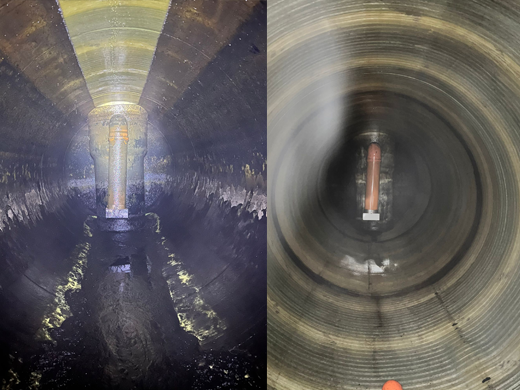
We will provide you with a comprehensive report with before and after images of your tank clean. We will also advise you on necessary remedial actions if your tank is found to be damaged.
Recommendations
When do we recommend a tank clean?
Reduced Water Quality
Prior to Commissioning
Contaminated Water
Repair Works
A full rainwater tank cleaning service when…
- You notice an increased amount of discolouration in your rainwater supply.
- Your filters are becoming blocked more frequently than usual.
Allowing excess debris levels within your tank can result in blocked filters, leading to your system becoming reliant on mains water to fulfil the demand for water. On pressurised style rainwater systems, this can result in no flushing toilets whatsoever if sediment is allowed to build up.
We always recommend a water tank clean prior to commissioning of the system.
This is because tanks can be filled with construction debris. If your system has excess levels of debris, it may not be safe for us to turn your system on during the commissioning visit and this risks an expensive re-commissioning visit, potentially delaying your project.
We recommend a tank clean if your system is found to have legionella.
If you have had a positive result for legionella within your rainwater harvesting system, we strongly advise a full tank clean to remove any traces of bacteria.
We recommend a full tank clean during tank repair works.
If your tank is found to be cracked or damaged, it will require repair works. Before this is done, a tank clean will need to be completed in order to create a safe, debris-free environment for contractors to work in.
Reduced Water Quality
A full rainwater tank cleaning service when…
- You notice an increased amount of discolouration in your rainwater supply.
- Your filters are becoming blocked more frequently than usual.
Allowing excess debris levels within your tank can result in blocked filters, leading to your system becoming reliant on mains water to fulfil the demand for water. On pressurised style rainwater systems, this can result in no flushing toilets whatsoever if sediment is allowed to build up.
Prior to Commissioning
We always recommend a water tank clean prior to commissioning of the system.
This is because tanks can be filled with construction debris. If your system has excess levels of debris, it may not be safe for us to turn your system on during the commissioning visit and this risks an expensive re-commissioning visit, potentially delaying your project.
Contaminated Water
We recommend a tank clean if your system is found to have legionella.
If you have had a positive result for legionella within your rainwater harvesting system, we strongly advise a full tank clean to remove any traces of bacteria.
Repair Works
We recommend a full tank clean during tank repair works.
If your tank is found to be cracked or damaged, it will require repair works. Before this is done, a tank clean will need to be completed in order to create a safe, debris-free environment for contractors to work in.
Water Tank Cleaning FAQs
Got a Question?
How should I prepare for my rainwater harvesting tank cleaning visit?
To prepare for a rainwater harvesting tank clean, please ensure our operatives have full, uninterrupted access to the manhole covers. These are often located in car parks, so keep the space clear of vehicles and allow room for our team to lay pumping pipework to the nearest drain point.
How often should I have my rainwater harvesting tank cleaned?
As part of regular rainwater harvesting system maintenance, we recommend a full tank clean every 2 years. Properties near the coast or in wooded areas may require more frequent tank cleaning due to higher levels of debris entering the storage tank.
Do I need a tank clean after a roof clean?
Yes – after a roof clean, it’s strongly recommended to carry out a rainwater harvesting tank clean. This is because dirt and debris from the roof often wash into the storage tank, and cleaning both together helps maintain high water quality and system performance.
Will a tank clean benefit my rainwater harvesting system?
Yes – Massively!
Cleaning the tank of your rainwater harvesting system is the best way of maintaining the water quality going to your building’s points of use as well as preventing microbial build up and unpleasant odours. Without tank cleaning, sediment can accumulate over time and damage smaller components, as well as reduce the usable capacity of your system – reducing water saving potential.
We’ve found that this is the case from the 1,500 maintenance customers we have across the UK.
Will my toilets stop flushing during a tank clean?
Sometimes – Depending on the system type and tank size(s)
Typical downtime is around 1–3 hours, depending on your rainwater harvesting system. In some cases, systems with larger break tanks or pressurised systems and may require additional time for cleaning and refilling.
Our expert maintenance team will let you know in advance if we expect any extended downtime so you can plan accordingly.
Does my rainwater harvesting system need a tank clean if it manages on-site flooding?
Yes!
Rainwater harvesting systems that manage surface water runoff can become less effective if tank cleans are neglected. Excess sediment can build up, reducing the capacity inside the tank and leading to more rainfall being directed to storm drains.
A planned preventative maintenance schedule – including de-sedimentation – will have been submitted as part of the planning application for your building and therefore it is crucial that the tank clean is carried out to comply with the National Standard for SuDS and prevent localised flooding.
Is a rainwater harvesting tank clean optional
No
Tank cleaning is mentioned under the BS EN 16941-1 example inspection and maintenance instruction sheet.
It is a critical service requirement to have your rainwater harvesting tank cleaned every two years. Systems that go prolonged amounts of time without a tank clean have a much shorter lifespan due to the additional stress put on the system components making them less effective.
We have supplied over 2,500 systems across the country in the past 20 years and those who have had regular tank cleans have always remained operational the longest.
Why would my rainwater harvesting tank need cleaning if it has a pre-tank filter?
Rainwater falls clean from the sky but can wash roof contaminants into the tank. Tank location can also introduce sediment; for example, tanks in delivery yards often collect silt and pollutants from vehicles.
Although pre-tank filters capture up to 1000 microns, sites with unsealed manhole covers can also see sediment bypassing filtration. Additionally, sites in urban areas are subject to more fine dust landing on the roof during dry periods, eventually this will make its way into the tank and accumulate over time.
Why does my rainwater harvesting tank need to be cleaned before commissioning?
We always recommend carrying out a tank clean before commissioning any rainwater harvesting system. During site construction, rainwater storage tanks are typically installed in open areas where building materials, rubble and debris can easily enter the tank. If the tank is not cleaned before system start-up, this can lead to catastrophic damage to its structure and components, causing delays and repairs.
When cleaning tanks, prior to commissioning, we’ve found things like bricks, rocks, tools…. and even a shopping trolley!