Greywater Recycling
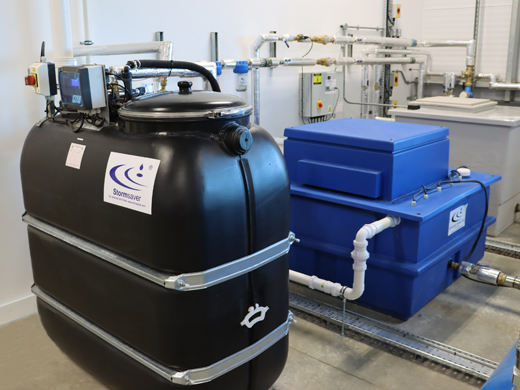
Greywater Recycling Systems capture wastewater from showers, hand wash basins, and bathtubs. This water is then filtered and treated for reuse in non-potable applications such as toilet flushing, irrigation, and washing machines. With over two decades of experience in water reuse, Stormsaver delivers the most reliable, low-maintenance greywater systems on the market. Speak to our experts to see if your project is a fit.

Reduce pressure on local infrastructure
Take a look at our Greywater Recycling Systems

Commercial
Offices, leisure centres and other commercial building types are ideal for greywater recycling due to high usage. Find out more about our industry leading solutions here.

Residential
Multi-occupancy buildings, such as Student Accommodation and Apartments usually suffer from high water usage. This makes greywater recycling the ideal solution. Learn more.
Make the Difference
Sustainability Impact
Reduce Water Footprint
Reduce Wastewater Discharge
Unlock Growth
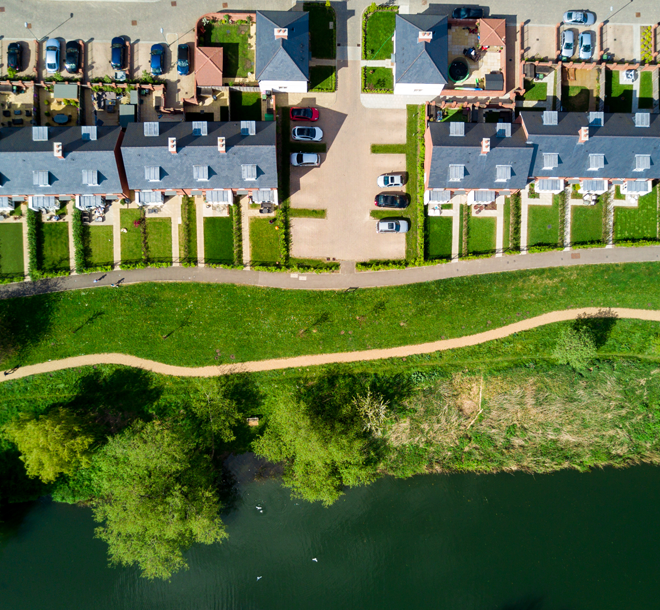
Greywater Recycling systems are a sustainable way of improving water efficiency and reducing your water footprint.
In residential buildings, systems can save 30 litres per person per day – about 30% of typical water use. Offices can see savings of up to 35 litres per person daily, reducing usage by up to 70%. In leisure centres, where showers are heavily used, systems can save up to 60 litres per person per day – cutting water use by up to 50%.
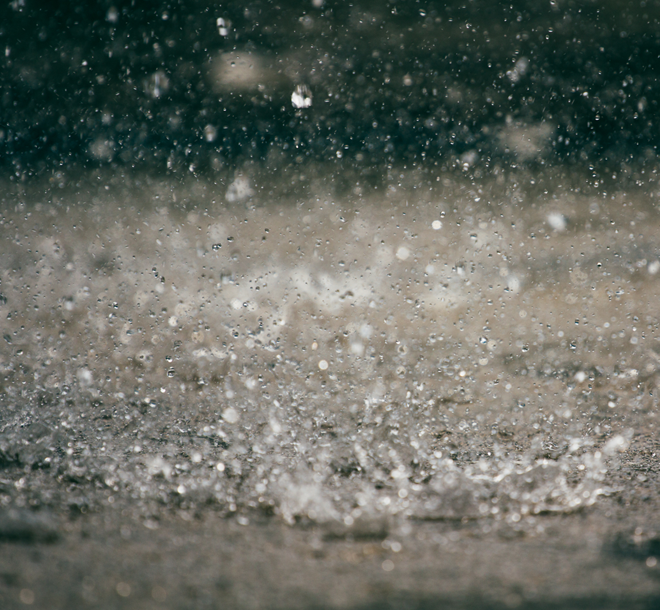
Greywater typically accounts for 50–70% of a building’s total wastewater. By capturing and reusing it, greywater recycling systems significantly reduce the amount of wastewater needing treatment in public sewers.
This lowers pressure on local drainage infrastructure, helps prevent combined sewer overflows, and reduces pollution in our rivers, seas and natural waterways.
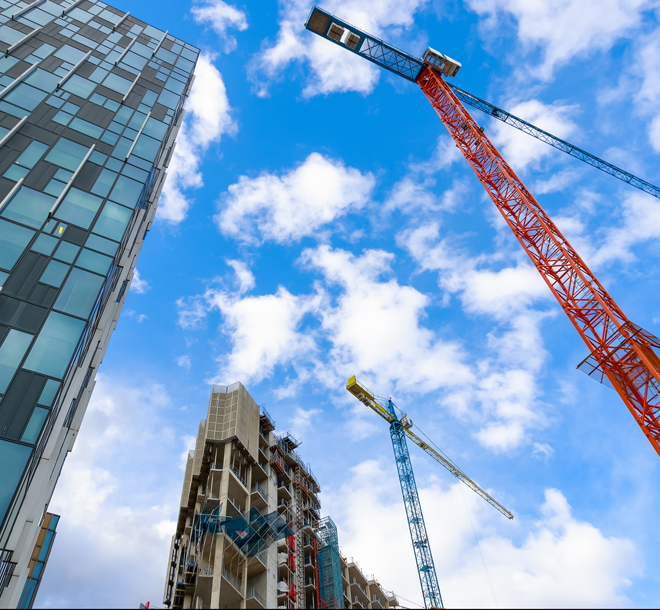
Infrastructure in London, Manchester, and Birmingham is under severe pressure from high population density, ageing infrastructure and rising demand. Storm overflows in these cities last for hundreds of hours every year and demand for potable water is close to outstripping supply.
Greywater Recycling Systems are ideal for unlocking growth in key urban centres by taking a local, more sustainable approach to water management and reuse.
Reduce Water Footprint
Greywater Recycling systems are a sustainable way of improving water efficiency and reducing your water footprint.
In residential buildings, systems can save 30 litres per person per day – about 30% of typical water use. Offices can see savings of up to 35 litres per person daily, reducing usage by up to 70%. In leisure centres, where showers are heavily used, systems can save up to 60 litres per person per day – cutting water use by up to 50%.
Reduce Wastewater Discharge
Greywater typically accounts for 50–70% of a building’s total wastewater. By capturing and reusing it, greywater recycling systems significantly reduce the amount of wastewater needing treatment in public sewers.
This lowers pressure on local drainage infrastructure, helps prevent combined sewer overflows, and reduces pollution in our rivers, seas and natural waterways.
Unlock Growth
Infrastructure in London, Manchester, and Birmingham is under severe pressure from high population density, ageing infrastructure and rising demand. Storm overflows in these cities last for hundreds of hours every year and demand for potable water is close to outstripping supply.
Greywater Recycling Systems are ideal for unlocking growth in key urban centres by taking a local, more sustainable approach to water management and reuse.

Financial Incentives
Some water utility companies offer environmental discounts on new connections for properties that include greywater recycling - helping you reduce installation costs while improving long-term water efficiency.
Thames Water
£2,100 incentive for greywater recycling.
Affinity Water
£2,163 for achieving 85 litres per person per day or below.
£2,880 for achieving water neutrality.
Severn Trent Water
£350 for achieving 85 litres per person per day or below.
United Utilities
£400 for water reuse
£664 for water neutrality
Anglian Water
£500 for achieving 90 litres per person per day or below.
South Staffs and Cambridge Water
£360 for achieving 80 litres per person per day or below.
£480 for achieving 60litres per person per day or below.
South West and Bournemouth Water
£1370 for greywater recycling
Bristol Water
£654 for rainwater harvesting

Why Choose Stormsaver?
Here are some of the reasons we think you should choose us to supply your greywater recycling system. We’re confident that our high-quality offering will suit your project. If you think we’re a match – get in touch with us using the contact form below.
Lifetime Aftercare Approach
At Stormsaver, our commitment doesn’t end with installation. We offer full lifecycle support – from initial system design and specification, through to manufacturing, commissioning, maintenance, and repairs.
If your system ever needs replacing, we’ll deliver the most up-to-date, energy-efficient solution – ensuring maximum savings and system uptime.
Truly Bespoke Solutions
Every building has different needs – so why settle for an off the shelf system?
We specialise in bespoke greywater recycling system designs tailored to your specific site, usage, and performance goals. With in-depth expertise, we build reliable, flexible systems that integrate seamlessly with your infrastructure.
We believe the one-size-fits-all approach does not work for water reuse – as every building is different – and we have seen this first-hand from our maintenance experiences.
Experts in Water Reuse Since 2003
With over two decades at the forefront of water reuse, Stormsaver has delivered more than 2,500 successful projects across the UK and beyond.
We don’t just sell water-saving products – we lead the industry in innovation, sustainability, and performance.
Trust the experts who are passionate about water reuse and who make a real difference.
Greywater Recycling System FAQs
Got a Question?
How do greywater recycling systems work?
To ensure a safe supply of recycled greywater, a multi-stage approach to filtration and disinfection is required. Here is a brief summary of some of the steps involved in recycling greywater…
- Pre-filtration – the first stage of filtration designed to remove hair and larger fibres before treatment begins.
- Biological – greywater enters the biological treatment tank where aeration is used to promote a positive environment for healthy bacteria to thrive.
- Ultrafiltration – passes greywater through fine filter pores (0.02 microns) to remove any bacteria and viruses.
- Automatic dosing – automatic cleaning of the associated pipework is essential to prevent blockages within the system.
What is greywater and how does it differ from rainwater?
In the construction industry, our experiences have found that the terms of rainwater and greywater are often confused. They are in fact two different water sources that require their own dedicated treatment methods.
Greywater – lightly used wastewater from showers, handwash basins and bathtubs.
Rainwater – stormwater which falls on the roof area of a building.
Naturally, greywater requires more complex filtration than rainwater due the higher volumes of contaminants.
Can a greywater recycling system be retrofitted into an existing building?
It’s very difficult to retrofit a greywater recycling system to an existing building.
Collecting greywater from specific sources like showers and handwash basins requires a dedicated pipe network to transport greywater to the treatment system. Equally, non-potable distribution pipework is required to then boost the recycled supply around the building.
We would only recommend it where the project involves taking the existing building back to brick.
What maintenance is required and can you offer service plans?
Our experiences show that bi-annual servicing is the best maintenance interval to keep your greywater recycling system running reliably and safely. Stormsaver offers full service plans for our greywater recycling systems.
Expert Articles