Water Supply (Water Fittings) Regulations 1999 Explained for Rainwater Harvesting Systems
About this guide
The UK is experiencing a growth in the uptake of rainwater harvesting systems in new commercial and residential properties.
Significant growth in interest in recycling rainwater is owing to the increased impacts of climate change and water scarcity. The latest assessment from the Environment Agency states that England will require an additional 5 billion litres of water every day by 2055.
The impact of increased water prices on businesses is also leading to greater return on investment metrics for rainwater harvesting systems.
Despite growth, existing regulations remain and should be followed in order to ensure a safe and compliant rainwater harvesting system.
The main regulation which governs rainwater harvesting systems in the UK is the Water Supply (Water Fittings) Regulations 1999.
In this guide, we will cover the key areas of this regulation in relation to harvesting rainwater.

What is the Water Supply (Water Fittings) Regulations 1999?
The Water Supply (Water Fittings) Regulations 1999 are designed to protect the public drinking water supply from misuse, contamination or waste.
Many people think that the regulation applies mainly to public drinking water and, therefore, that rainwater harvesting systems are not covered. This is, in fact, not the case.
How do the Water Supply (Water Fittings) Regulations impact rainwater harvesting systems?
The regulations state the necessary maintenance and installation protocols required for rainwater harvesting systems. This is to protect public drinking water from cross-contamination.
At-a-glance compliance guide for rainwater harvesting
| Item | Required? |
| Water company notification | Yes |
| AA/AB air gap | Yes |
| No direct mains connection | Yes |
| BS 16941-1 compliance | Yes |
| BS 1710 pipe labelling | Yes |
| Isolation valves | Yes |
Installation requirements under the Water Supply Regulations
The regulations require all water fittings to be installed to a suitable quality which conforms to a relevant British Standard or national specification (Part II, Regulation 4). This therefore means that compliance with BS 16941-1:2024 for rainwater harvesting is essential.
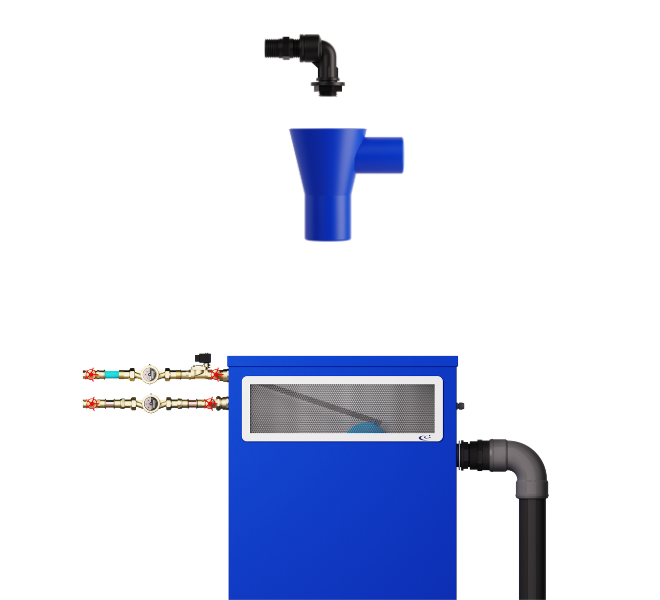
Additionally, the water fittings regulations require that no rainwater supply or distribution pipe be connected directly to the public drinking water supply. A backflow prevention device is therefore required on the automatic mains water top-up.
Under BS 16941-1:2024, achieving backflow prevention is done via an AA or AB airgap on the mains water top-up.
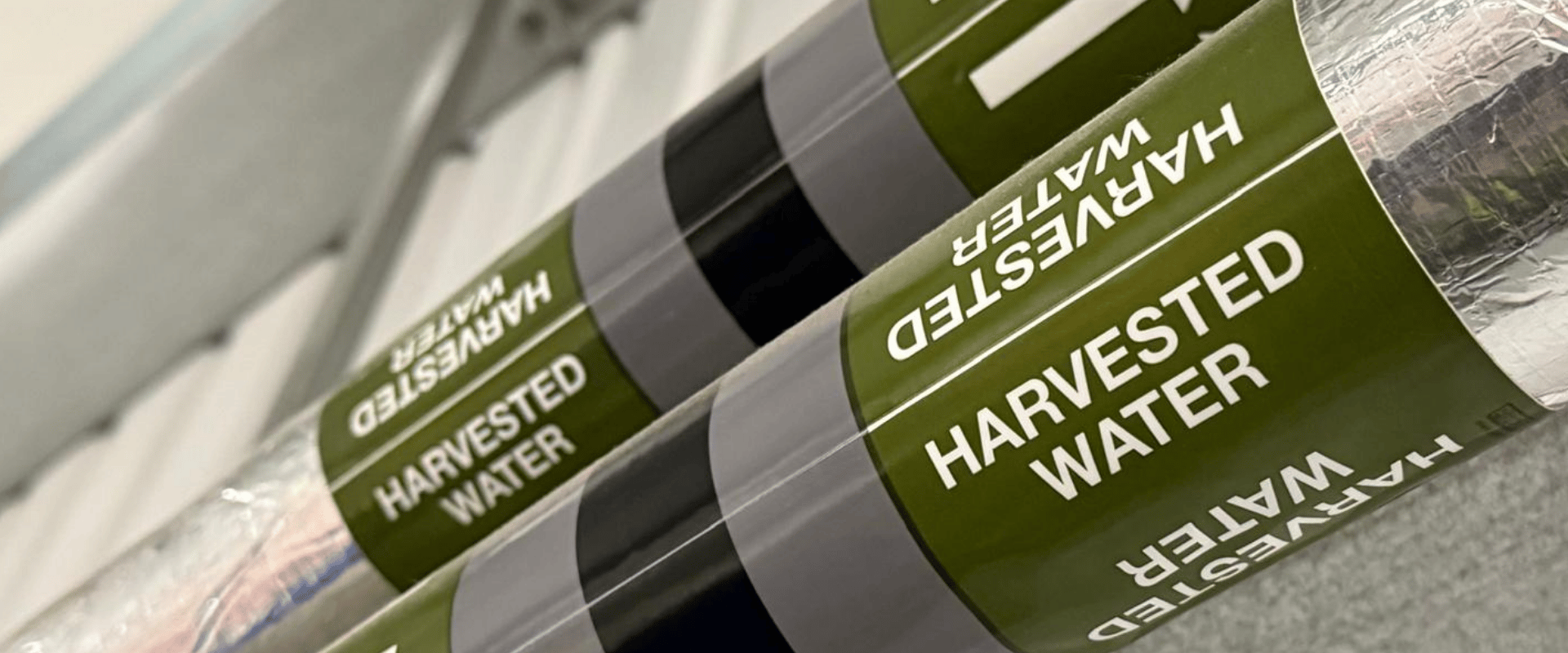
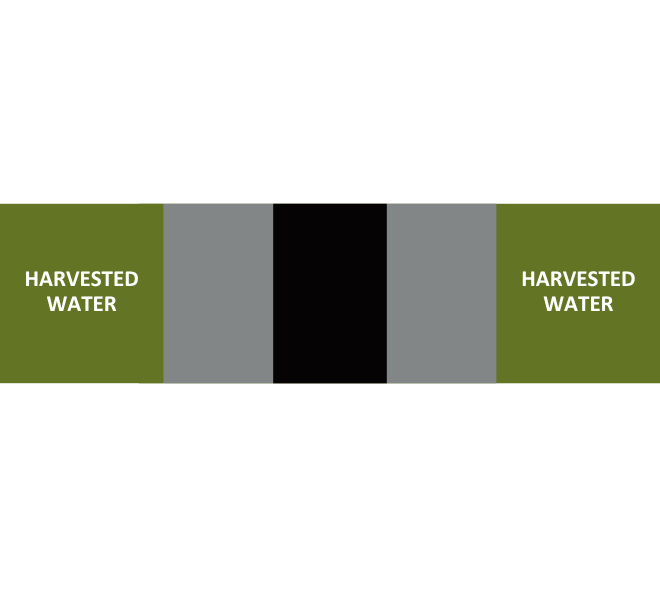
Finally, section 14 also requires rainwater harvesting systems to be appropriately labelled as a non-potable distribution network. The appropriate standard for this is listed under BS 1710:2014, which requires black, green and grey identifiers for non-potable reclaimed water (Regulation 4(3), Schedule 2, section 14).
Maintenance requirements under the Water Supply Regulations
Under Regulation 4 of the Water Supply (Water Fittings) Regulations 1999, no water fitting should be connected, altered, or repaired which is connected to the public water supply without conforming to an appropriate standard.
Therefore, all maintenance works completed on a rainwater harvesting system should be compliant with the requirements set out in BS 16941-1:2024.
In some limited instances, operators who are unfamiliar with the regulation may think it is acceptable to bypass the rainwater harvesting system in a component failure scenario.
This would be a contravention of Part II, Regulation 4 of the Water Regulations. The backflow prevention device, in the form of the air gap, must be maintained at all times to prevent cross-contamination.
Stormsaver’s specialist maintenance team will ensure all servicing and repair works are carried out in accordance with BS 16941-1:2024.
Do you need to notify your water company before installing a rainwater harvesting system?
Yes.
Under Regulation 5 of the Water Supply (Water Fittings) Regulations 1999, notice shall be given to the water company of the intention to install a water fitting. Rainwater harvesting is listed as a notifiable device.
Check how to notify through the WaterRegsUK webpage.
Notifications can trigger an inspection by the water company or local authority to ensure regulations are being correctly followed.
What fluid category is rainwater?
Rainwater is classed as Category 5 water in the regulation’s classification methodology (Schedule 1, Regulation 1).
Category 5 water is classed as the lowest water quality available due to the potential for faecal matter from birds on roof areas.
Ensuring rainwater harvesting systems are safe for non-potable use is considered at the design stage of the system. According to BS 16941-1:2024, any system which utilises water in an aerosol form or is used in settings where people with lower immune systems are present should have UV disinfection to ensure harmful bacteria are removed.
We recommend UV disinfection as standard to ensure safety and reduce risk. Contact us about including this as part of your rainwater harvesting system.
Are there any other considerations for compliance of rainwater harvesting systems?
Under the regulations, the requirements for water fittings (including rainwater harvesting systems) listed in Regulation 4(3), Schedule 2 require each system to have a number of servicing valves and drain-down points to minimise water discharge during maintenance or replacement.
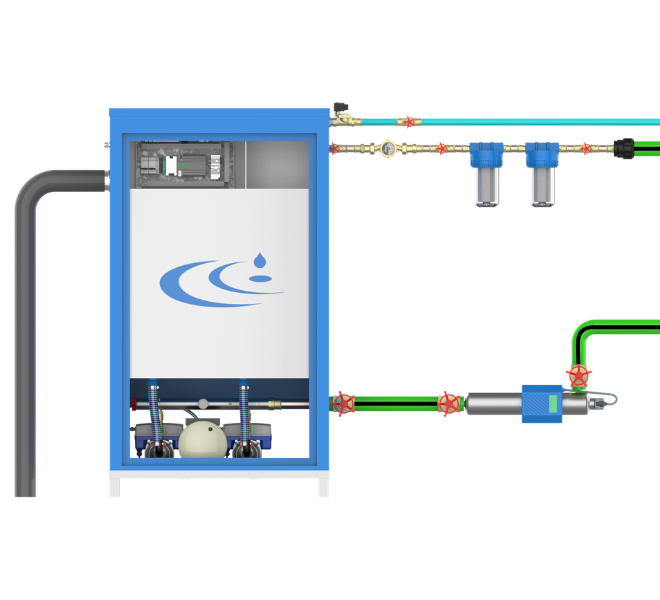
In order to conform with this requirement, we recommend that isolation valves be located on the pipework around the below components on your rainwater harvesting system:
- UV disinfection system
- Booster set
- Water meters
- Cotton filters
- Mains water and rainwater inlets to the control unit or header tank
What are the penalties for non-compliance with the Water Supply (Water Fittings) Regulations?
Anyone found to be in breach of the above regulations can receive a maximum fine of £1,000, excluding damage and injury claims.
As well as the financial implications, reputational damage is also a consideration.
Disclaimer: This article is provided for general guidance only and should not be relied upon as confirmation of compliance with the Water Supply (Water Fittings) Regulations 1999. Stormsaver Ltd accepts no liability for any loss or damage arising from reliance on this information.